Check a long bank statement and you’ll often find many more pages than an account ledger for transactions. There are account summaries and notices as also explanatory texts along with disclosures and other pages that contain the data needed by a bookkeeper.
If the objective is to put transaction information to a spreadsheet or a accounting system, processing everything can be a waste of time. Before creating the output, consider which pages are most useful.
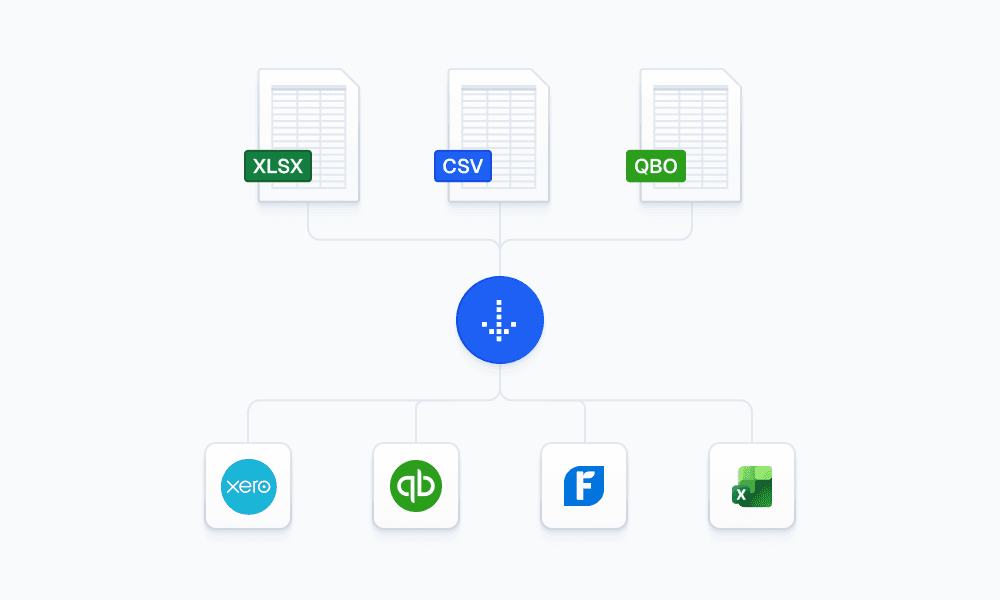
Image credit: docubrew.com
The number of pages don’t necessarily mean that more valuable data is available.
Consider a business reviewing several months of banking activities. The monthly PDFs can contain 10 or more pages, but only a small portion of the file contains the required transaction tables needed to record the financial transactions.
A solution is to manually copy these tables, however this may be slow and may cause typing mistakes. Businesses could instead transform their bank statements in Excel and then only include the relevant pages.
Docubrew’s page preview lets a user to look over and decide on what data to process. You can leave out the cover sheet, disclosures and other pages.
A Preview First gives You More Control
Automated systems work best when they are controlled by the user.
Docubrew lets users look at the statements prior to finalizing the conversion. The software extracts the figures directly from the statement source rather than estimating the financial value.
The preview is an excellent method of ensuring that the pages have been rightly selected and to go over the information you have extracted prior to download the final result.
The checkpoint is straightforward however it’s crucial when dealing with financial records.
The Destination Should Shape the Export
What are your plans regarding the acquisition?
Excel excel is perfect for bookkeepers who have to review or sort information. CSV is an option in the event that the data is moving into a different system. Docubrew supports QBO output.
Someone who needs to convert bank statement to CSV, for example, can generate a CSV rather than creating an Excel workbook first and manually changing formats afterward.
Docubrew is compatible with accounting software, such as QuickBooks®, Xero®, and FreshBooksas well as spreadsheet-based workflows.
Scanned paper statement statements are able to be integrated into the same workflow
The conversion can be performed using any PDF file not just digitally created ones.
Certain companies only have printed copies of old statements. Docubrew supports OCR for scans of PDF documents, so that these documents can be processed as well.
It can be beneficial during project bookkeeping that has historical significance, where the latest documents are digital, but earlier statements were scanned from paper. Instead of creating two completely different workflows, the files are processed using the same process of conversion and then reviewed prior to export.
Process Locally or Use the Cloud
It is crucial to think about the handling of documents as well as their output.
Docubrew’s Windows desktop application runs conversions locally and keeps client documents in the system. Cloud processing is accessible to those who prefer using browsers. Docubrew says that uploaded documents are secure and uploaded documents as well as the converted documents will be deleted automatically within 24 hours.
The last step to convert an account statement from PDF into Excel is not to feed every page of it into the program and hope for a beneficial output.
Start with the pages that have the information you require. Examine what is being removed. Select the best format to the next accounting job.
A more efficient financial workflow could begin not with more processing instead, but by taking care to process less.