It’s easy to conclude that superior medical imaging means producing more detailed pictures. In reality, good radiology serves more than one goal. The important question is whether the examination can provide all the information required for an individual medical condition.
A person with a suspected joint problem, such as is a different diagnostic problem than a patient going through breast imaging or an examination of the prostate. Modern radiology addresses these variations with a variety of imaging methods instead of having one scanner to cover each situation.
Consultations with a private doctor at the Wolfsburg Diagnostic Center give patients access to many imaging-guided and diagnostic radiology services all in one place.
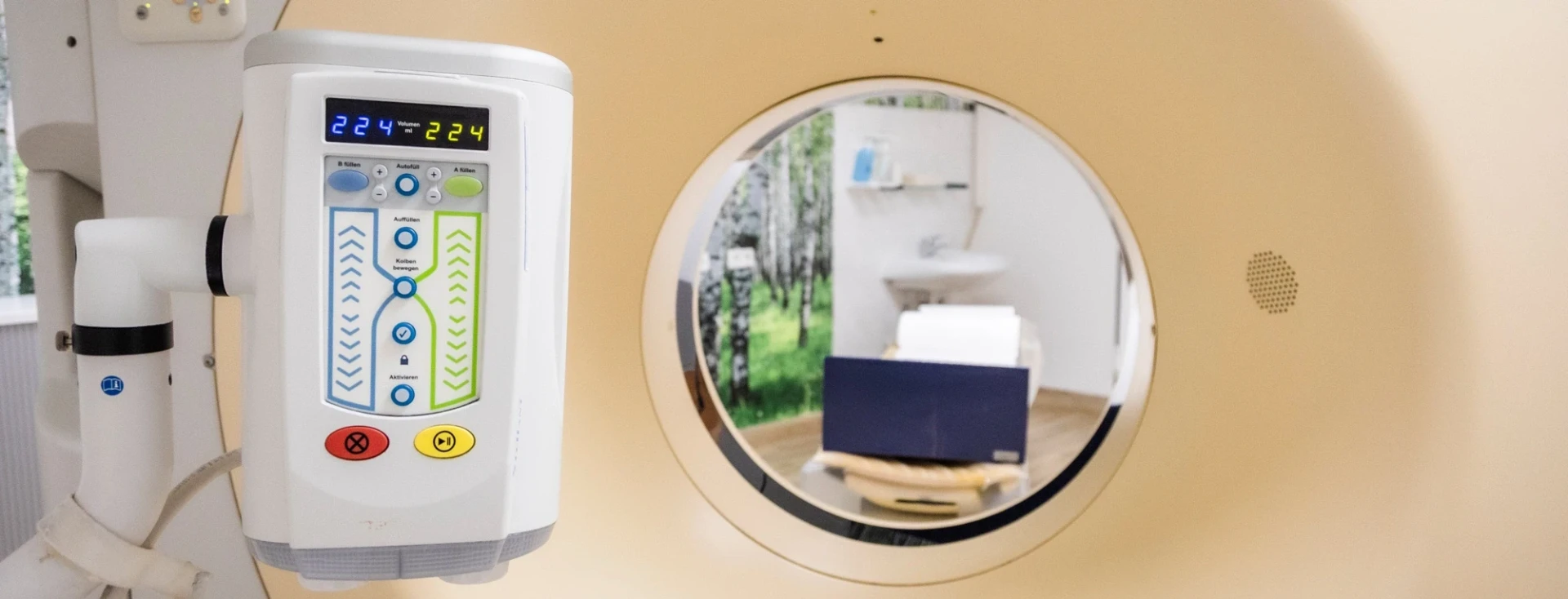
Image credit: diagnostikzentrum-wolfsburg.de
Different parts of the body Display Theirself in a Different Way
Organs, joints, bone, and soft tissues do not all appear the same way using every imaging method.
Magnetic resonance imaging is especially helpful when a clear examination of soft tissue structures is needed. The Wolfsburg Diagnostic Center uses two 1.5 Tesla MRIs to examine the spines, brain, joints, internal organs, and soft tissues.
MRI does not use X-rays. If it is needed, the center provides more specific exams including prostate MRIs as well as whole-body MRIs.
The term “MRI” is a technique that describes the use of the technology. But the medical condition will decide how the technology is utilized.
CT offers a different type of view
In the field of diagnostic medicine, CT has specific roles. CT uses X radiation to create detailed cross-sectional body pictures. In the Wolfsburg Diagnostic Center, examinations are performed with low-dose technology that is designed to decrease radiation exposure while maintaining image quality needed for evaluation.
Each patient’s individual situation will determine the most appropriate imaging method. The audio quality of the scan doesn’t necessarily indicate its suitability.
Digital X-Rays are Still Relevant
MRI and CT receive a lot of attention. Conventional Xrays can seem old-fashioned. Modern digital X-ray tells a different story.
Digital systems are a reliable way to examine the skeletal system. High-resolution imaging is paired with radiation-safe methods in the latest equipment.
In addition to replacing the techniques that were previously employed Newer technology has expanded the options for radiologists.
Breast Imaging: The Value of Laser-focused Treatment
Breast diagnostics are a further example of imaging that is special. The center provides breast ultrasound, 3D mammography (or tomosynthesis) as well as mammography. These techniques provide various forms of information about imaging and can be used according to the patient’s individual medical circumstances.
Radiology is built on the same premise that understanding what must be examined is vital for a successful imaging.
Sometimes, imaging can help guide treatment
The field of radiology is not just about finding and observing abnormalities. The Wolfsburg Diagnostic Center also performs CT-guided periradicular therapy (PRT) which is a procedure where CT imaging aids in the procedure. Another option to treat patients is low-dose radiation therapy.
These examples demonstrate how medical imaging goes beyond simple observation and help guide treatment.
Precision means asking a focused Questions
A modern diagnostic facility isn’t determined solely by the number of machines it runs. The value of a diagnostic center is determined also by the application of the right technology to an medical issue that is well-defined and skilled specialists who interpret the images. To learn more CT Wolfsburg
Patients can have direct access to specialist care and a wide range of radiological examinations in private consultation hours.
It is not simply about generating more images. It’s to provide clinically useful information that will aid physicians as well as patients in understanding the medical problems being examined.