During normal weather conditions an drainage system could appear to be in good working order. But a stormy day may reveal flaws in the property’s infrastructure. Parking lots may flood, detention pools fill up rapidly, roads become dangerous and places that are low begin to accumulate water. In many of these instances the issue isn’t simply rain. It’s because the area is not equipped with the right technology to move stormwater effectively when gravity alone isn’t enough.
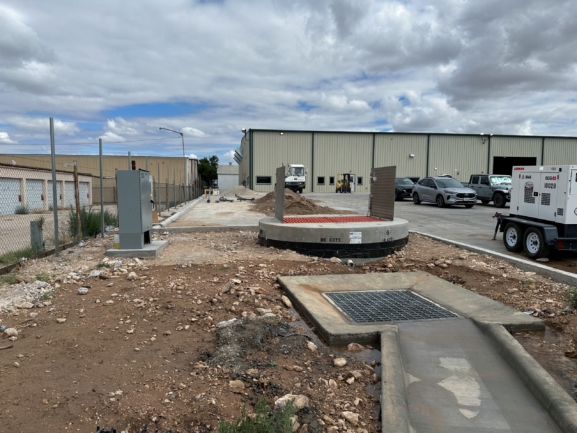
A stormwater lift station becomes essential. They are constructed to pump water away from areas where the runoff naturally builds up, aiding in protecting roads, buildings as well as outdoor spaces. If the project is a municipal, commercial, industrial, or residential lifting stations can contribute to keeping the site functional during and after an event of storm.
Stormwater management needs to be designed around the location
Each property manages runoff in different ways. Retail centers that have large paved parking areas behaves differently than residential subdivisions. These property types will be able to meet the requirements similar to an industrial site or municipal drainage project would. The design of a stormwater system is determined by a variety of factors including the flow rate, site elevation and detention requirements, as well as discharge conditions.
Romtec Utilities is not a firm that tackles stormwater pumping with a common approach. Each system’s design is based on the specific pumping requirements of the particular site. This could be to reduce flooding, drain a retention pool, control runoff from an developed property as well as support a larger municipal network and so on. The ideal solution will depend on the amount of water that needs to be pumped, the speed at which it needs to move, and where it should move to.
The stormwater pump station is much more than just a pump that is placed in a vault
It requires more than powerful equipment to construct a reliable runoff pumping station. It’s a synchronized system that seamlessly integrates mechanical, structural and electrical components with control to efficiently and consistently manage large stormwater volumes. To ensure that the station performs optimally throughout its lifespan essential elements such as precise pump sizing, a strategic wet well design, sophisticated controls and piping that is durable, robust power systems, as well as real-time monitoring must all operate in perfect harmony.
The complete integration of systems makes the best stromwater systems design firms stand out. The best designs don’t solve a single drainage problem, but they also take a proactive and long-term approach. The top-tier engineering is based on the ease of maintenance in the course of time, the future needs of the site and the best efficiency for operation. It is vital to ensure that the pumping system can perform in severe storm conditions that are real-world rather than relying on the best assumptions.
The planning process is important regardless of whether you’re dealing with torrential floodwaters, or designing municipal systems that are under high pressure such as booster pump stations to supply water that is clean, and where failure isn’t an option. Romtec Utilities creates stormwater systems that consider these real-world realities. They offer a variety pump stations that are designed for different applications. These pumps come with documentation, instruction and startup assistance to ensure the owner is in control of the system.
Better planning creates better flood protection
A stormwater pump station properly constructed can decrease the risk of flooding, increase site accessibility, and protect property around it from water damage. This makes a site resilient by making sure water runoff is handled effectively and swiftly when the weather is severe.
It’s easy for people to ignore stormwater infrastructure until it begins to break down. However, a reliable stormwater lift station is among of the most important investment a property owner, municipality, or developer can invest in when runoff must be managed more actively than simply. With the right design and the right support, a strong stormwater management system helps keep a site safer, more functional, and better prepared for the realities of changing weather.