A pumping project may appear simple on paper. Water enters at one location and is required to move to another. In reality there are a variety of variables that can affect the distance between two locations, including: elevation as well as flow rate solids, pressure storage capacity, and access for maintenance.
For Romtec Utilities to design an infrastructure for pumping begins with specifying the operational conditions rather than choosing the appropriate items from a standard catalog. Then, the initial design and budgetary details could be designed based on what the requirements of the project are.
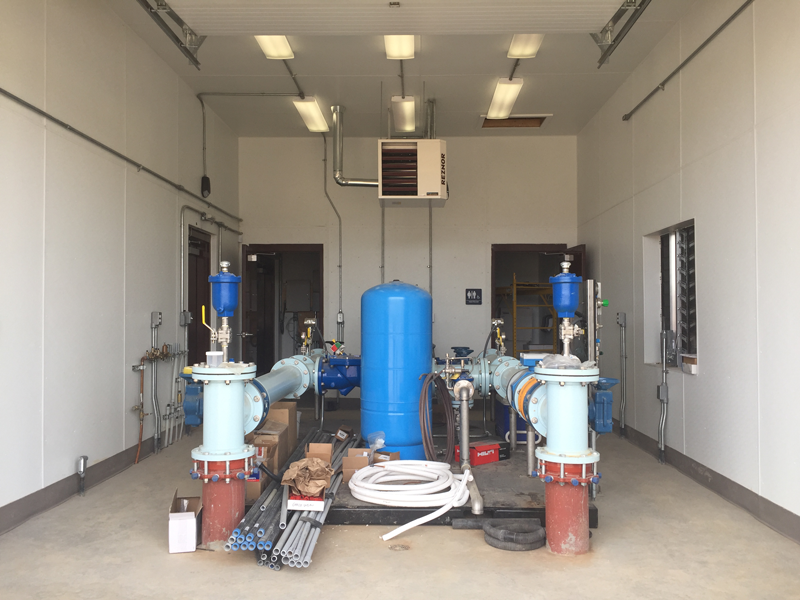
Image credit: romtecutilities.com
Think about where are we going?
The solution immediately alters the process of engineering.
Domestic sewage could contain solids and experience significant variations in the daily flow. A wastewater lift station must move that wastewater reliably when gravity conveyance is unavailable or insufficient. Engineers must therefore consider the anticipated inflow and peak conditions, pumping capacities Wet-well behavior, discharge requirements, as well as how equipment will be maintained and operated.
Industrial water presents different challenges. The water used in a manufacturing or processing facility could need to be caustic, oily, or heated at high temperatures or pressure. Romtec Utilities creates industrial systems which are used in various applications ranging from data centers to installations for oil and gas, food processing power generation, pharmaceutical waste.
Rainfall can create a totally different operating cycle
Stormwater systems are usually inactive for long stretches of time and then suddenly face the possibility of a huge volume in storms.
A stormwater pump station connected with a basin for detention, for example, must be in sync in conjunction with the larger drainage plan. Runoff flows into a basin. Temporary storage regulates the quantity immediately. Pumping systems moves the water collected to a designated outlet.
Romtec Utilities supplied this type of solution to a business park development in Norco, California. The development required the construction of a pumping station that would empty the detention system of the public stormwater drainage network. The station had be constructed as part of the drainage infrastructure used for the development, and not as a separate piece equipment.
“Package” Doesn’t have to mean Off-the-Shelf
A common misconception is that a pumping system for package pumps is just a predetermined assortment of parts.
For infrastructure that is engineered, packaging may also refer to coordinating the key components into one project-specific system. The valves and pumps can be selected based on their job specifications.
It is particularly useful in connecting a brand new system to existing infrastructure. Industrial plants and existing municipal facilities don’t always have a lot of space for installation, or even clear conditions. Equipment may have to be placed around existing piping, structures or electrical systems as well as operational schedules.
Capacity planning is a real issue
In particular, undersizing can be costly as facilities grow.
At Portland International Airport, Romtec Utilities designed and supplied the sewer interceptor lift station to support the PDX Next expansion. The new station needed been designed to have twice the capacity for peak flow since the airport had expanded.
It illustrates an important engineering principle: design conditions shouldn’t just be what a building is able to handle during a typical afternoon. Engineers should also be aware of what happens when demand peaks.
The Job isn’t Complete When the Equipment arrives
Drawings and calculations may eventually evolve into an operating system. Coordination of installation, starting testing documentation, as well as operator knowledge all affect long-term performance.
A well-engineered pumping system is ultimately determined by the results that take place years after the construction. The choices made during initial design are obvious when the flow increases when major storms occur, or maintenance is required.
For Romtec Utilities, integrating these decisions into a complete project-specific pumping system helps transform the equipment pieces into an infrastructure designed for the conditions it will actually face.