The first wave of artificial intelligence showed that computers could comprehend language, recognize patterns, as well as assist users with increasingly complex tasks. However, the majority of these systems transferred data to a remote server for processing, before producing results. Cloud computing has greatly aided AI adoption but it also has its own issues, such as latency, security, infrastructure cost and developer flexibility.
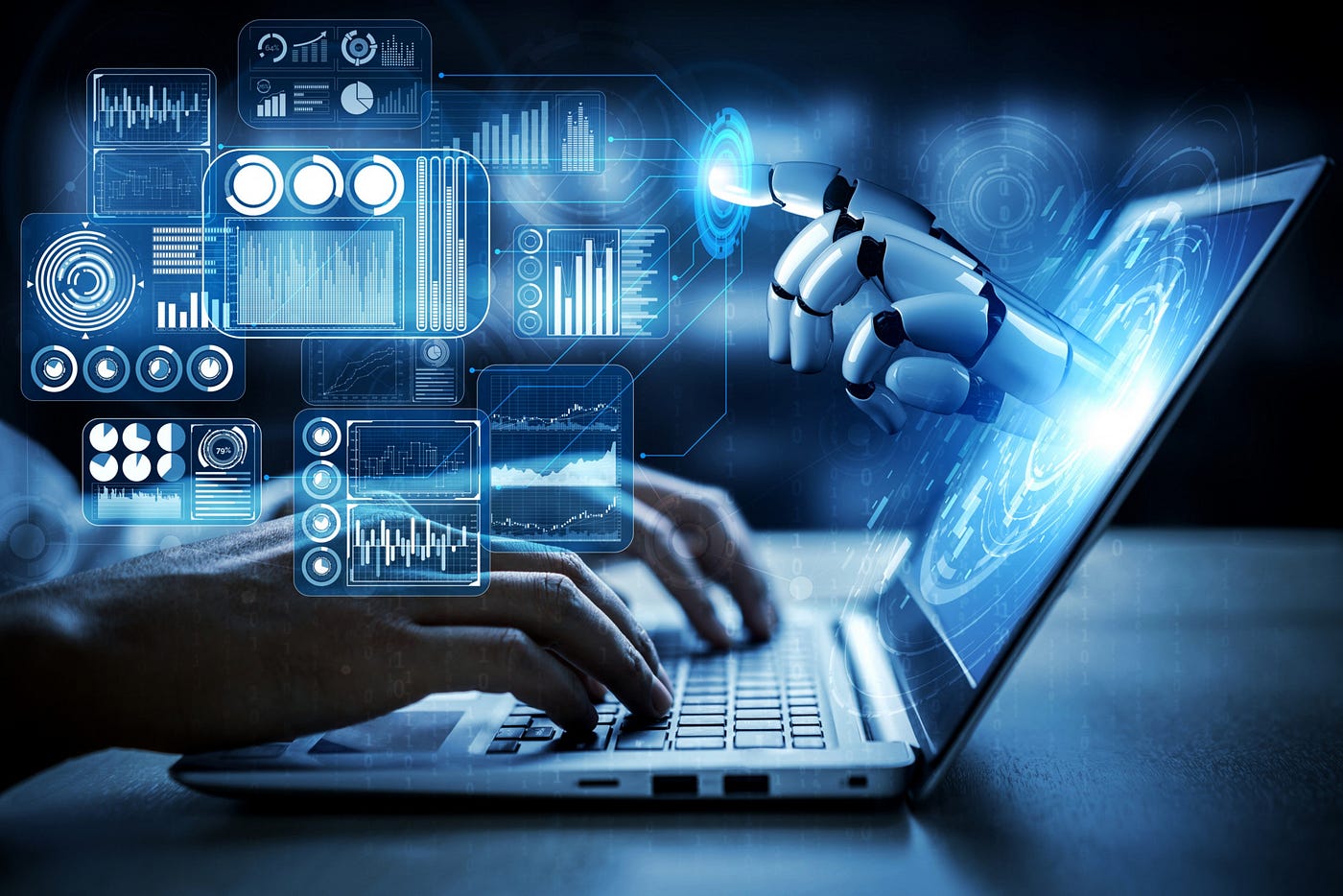
Nowadays, a lot of engineering organizations are shifting to a different philosophy. They no longer treat artificial intelligence like an isolated service rather, they are developing systems that operate nearer to the location that the decision-making process takes place. This shift is driving the adoption of on-device AI, enabling applications to respond faster, reduce dependence on external infrastructure, and maintain greater control over sensitive information.
Modern AI infrastructures need to be constructed to be able to handle the real demands of a business
The choice of a language model is not enough to build intelligent software. The performance of the software is also dependent on the architecture. The performance of an AI application in production is influenced by the efficiency of runtime, observability and deployment flexibility.
The increasing complexity of AI agents has resulted in a growing need for better AI agent infrastructure to enable autonomous workflows and intelligent decision-making. Many companies prefer using customized infrastructure that is designed to their specific needs rather than general platforms.
Thyn was founded on this philosophy. Instead of delivering a single AI application The company creates basic runtime engines to provide support for a variety of specialized products, while allowing each application to grow independently. This architectural approach allows engineering teams to focus on solving issues, rather than continually rebuilding the their infrastructure.
Better tools help developers build better systems
AI will be embedded in many software applications and developers require access to more than just APIs. They need environments that facilitate deployment monitoring, debugging, testing, and management of runtime.
Modern AI tools for developers have a tendency to emphasize transparency and control. Developers are looking to measure the latency of their systems, improve resource utilization, and understand how systems perform under heavy workloads.
Thyn invests heavily in the engineering foundations by focusing on system performance, not broad claims of marketing. Runtime analysis as well as deployment strategies and evaluation frameworks are all treated as core engineering disciplines to strengthen the products within Thyn’s ecosystem.
The benefits of specialized intelligence are superior to one-size-fits-all platforms
It is not the case that every AI software application works under the exact same conditions. Financial trading, cryptographic software marketing automation, embedded software and autonomous systems each have their own performance requirements, security models, and operational restrictions.
Thyn creates engines that are tailored to specific domains instead of forcing each application into the same system. This lets products evolve independently while benefiting from common architectural research and governance.
AI coders are beginning to take the same philosophies. Instead of serving as general-purpose assistants, modern coders are becoming more specialized, helping developers generate code to analyze repositories, perform repetitive engineering tasks, and accelerate the speed of delivery of software, while still being a part of existing workflows for development.
Intelligence closer to the decision-making point
Artificial intelligence’s future is not just about generating data. In the future, systems that succeed will be able to evaluate context, reason, make rapid decisions, and take action in a short amount of time.
Local intelligence could provide significant advantages to products that need security, responsiveness as well as reliability. On-device AI reduces dependency on network and delays, allowing applications keep running even when connectivity is limited. This results in a better user experience while companies have greater control over their data and infrastructure.
In the same way scaling AI agent infrastructure ensures that intelligent systems remain observable, maintainable, and adaptable when requirements change.
Thyn represents a new direction in software development, focusing more on building an institutional basis for intelligent software, rather than looking at individual applications. Thyn’s sophisticated runtime architecture and specialized engine, as well as its robust AI development tool and modern AI code agents are helping to shape an ecosystem where AI is more effective, faster, safe, reliable, and ultimately more valuable for the developers creating the next generation of intelligent software.