Even if the office is closed it is important to veterinary offices. Pets get sick at night, clients panic during weekends, and inquiries are not answered promptly at the right times. These calls are often unanswered or sent to voicemail. It is also possible that they will be routed to an answering service which has no expertise in clinical care. This can result in furry pet owners and anxiety for vets who are on the phone.
It is due to this that the after-hours phone call is an important part of veterinary operations. A reputable veterinary answering service is more than a phone pick-up. It helps practices protect the relationship with clients, guide pet owners towards the best next step, and lessen the burden on internal staff members already stretched to the limit. The availability of after-hours services is no longer a luxury in the current veterinary industry. This is how an animal practice ensures continuity of medical care.
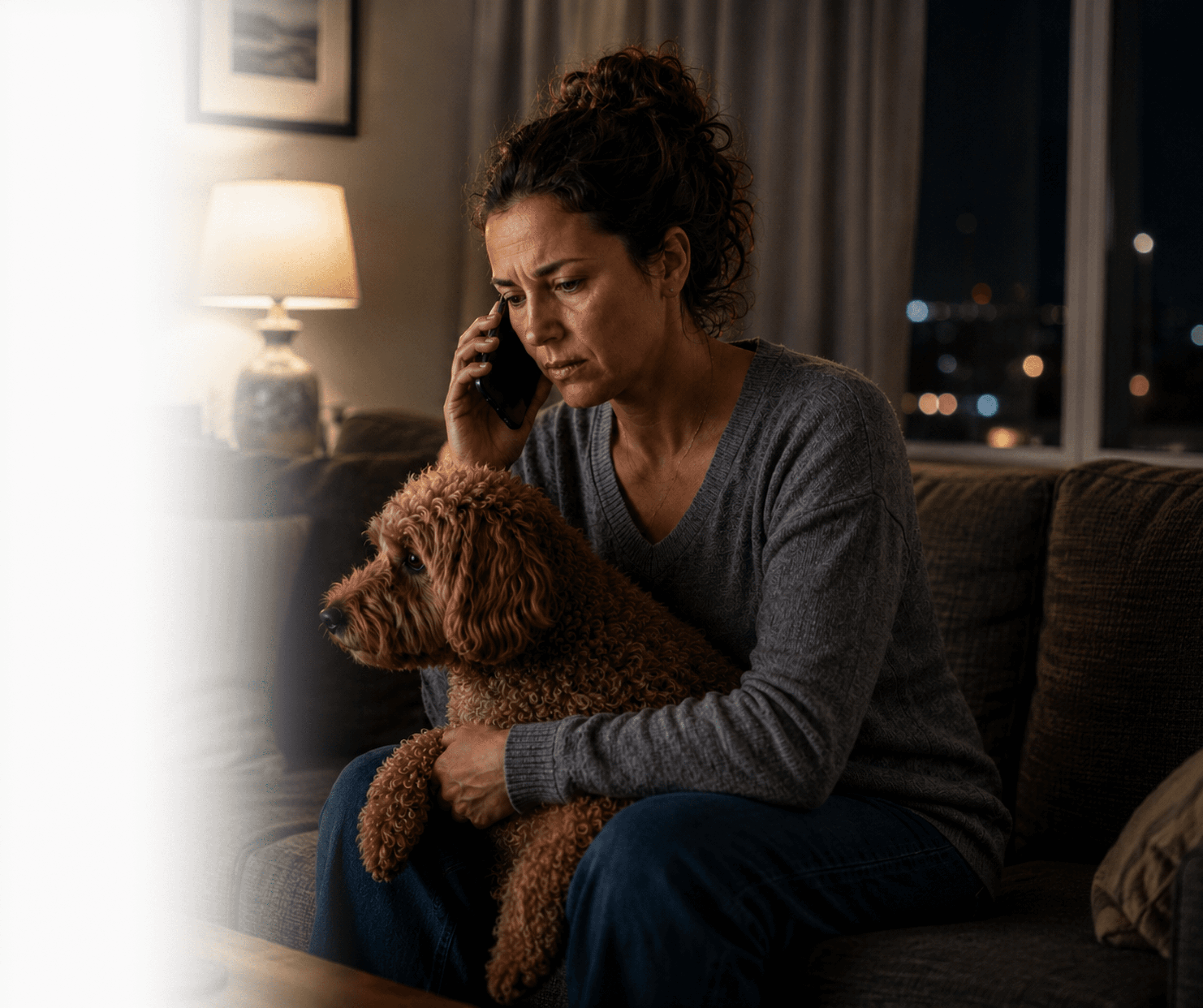
Image credit: guardianvets.com
Some answering solutions are not specifically designed for use in veterinary medicine.
There is a significant distinction between an answering service that is geared towards vet hospitals as opposed to a general service. In a hospital setting answering calls during the night is rarely straightforward. Clients may be concerned about poison exposure, post-surgical complications or vomiting. There is also the possibility of wondering whether their pet needs immediate emergency medical attention. Such situations go beyond sending messages. They require judgement, structure and a calm, calming communication from someone who understands the processes and demands of veterinary medicine.
This is the reason why GuardianVets differentiates itself. Instead of operating as a call center GuardianVets is an veterinary support provider that is staffed by credentialed Veterinary Technologist. That distinction matters. A trained technician can assess the nature of the call, follow the clinic’s triage and escalation protocols, help the pet owner understand the level of urgency, and direct them toward the right next step without stepping outside the boundaries of the veterinary-client-patient relationship.
A veterinary triage service aids all people make better choices
One of the major advantages of a true vet triage service is the way it can provide clarity during stressful times. Pet owners are often unable to be aware of whether a problem can be put off until the next day, whether they need to make a follow-up appointment, or if they need urgent emergency treatment. In the absence of guidance, many fall to one of two options: they either rush unnecessarily to a hospital in an emergency or wait too long to take care.
Triage is a way to bridge that gap. It provides pet owners with an expert who can be a source of information, decreases confusion, and helps practices ensure urgent cases are addressed appropriately while non-emergent concerns are logged and routed appropriately. This keeps vets from getting interrupted by situations which don’t need doctor-level intervention after hours. This can assist in maintaining a more balanced work-life-balance, especially at hospitals where doctors are required to take on both clinical and on-call responsibilities.
It is essential to ensure that the service you choose is a good fit for your requirements and doesn’t interfere with them.
A modern veterinary call center should not operate as a disconnected service sitting outside your practice. It should work as an extension of your team. This means that it has to comprehend your preferences in communicating and rules for appointments, emergency protocol, escalation routes, and protocols. This includes integrating your PIMS system, so that notes on triage and scheduling outcomes flow into the existing system used by your team.
GuardianVets was built upon this notion. The process involves analyzing gaps in call coverage and mapping the way in which communication with clients is currently handled, and creating a workflow that reflects the realities of the clinic instead of forcing the clinic to follow a strict model. This is a big change from traditional answering services that often end at message capture and leave the clinic to sort everything out later.
Better after-hours coverage improves more than convenience
A reliable after-hours veterinary answering service does more than reducing missed calls. It aids in maintaining trust between clients when they are stressed, it keeps more cases in the practice network if it is needed, and gives teams the opportunity to handle demand during off hours. It can also improve the revenue collection process by turning weekends or night-time inquiries into appointments booked instead of lost opportunities.
This gives pet owners peace of mind that they are able to seek assistance should they need it. That kind of support matters greatly in the field of veterinary medicine since the majority of calls after hours are operational. They are emotional. The way you react to a beloved animal can influence how people feel after the incident has been resolved.
GuardianVets is an answering service for veterinarians that provides hospitals with solutions that go above and beyond what is typical. It allows practices to remain available for their clients, even when the doors of the clinic are closed, by combining workflow integration with clinical triage, as well as compassionate communication.